
The Three Idols
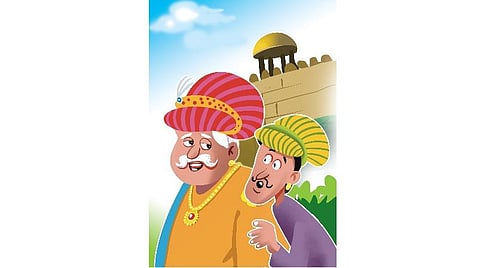
Everyone is aware of Birbal’s intelligence and wise decisions. The King of Iran came to know about Birbal, hence he decided to test for himself. The king sent three idols to the court of Akbar. The idols were exactly identical to look at.
There was a letter attached to them where the king mentioned, “Emperor Akbar, among the three idols, identify and label the good one, the neutral one and the bad one and then send it back to me. Or else accept your failure.”
It was a difficult task to evaluate as all the idols looked exactly the same. After a long contemplation, Akbar decided to summon Birbal for help. Birbal took the idols with him and asked for a day to solve this puzzle.
The next day Birbal explained his examination and informed Akbar that all the three idols have a small hole in their ear. The three idols symbolically represent three categories of people. In the case of the first idol, the hole leads to the mouth. In the second idol, it leads to the other ear and in the case of the third one, it leads to the stomach but gets stuck there.
So as an inference, the first one is the bad one a gossipper, whatever he hears he will tell others and therefore not a reliable person. The second one is neutral, whatever he hears, he will not retain it but let it go carelessly, so not a responsible person. The third one is the best. He will listen to others, keep it confidential thus caring for others.
The three idols were then labelled and returned to the King of Iran. The impressed king sent a letter complimenting the Emperor Akbar and his wise gem, Birbal.
மூன்று சிலைகள்
பீர்பாலின் புத்திசாலித்தனம் மற்றும் ஞானம் செறிந்த முடிவுகள் அனைவரும் அறிந்ததே. பீர்பாலைப் பற்றி ஈரான் மன்னருக்குத் தெரியவந்தது. எனவே அவர் தானே இதை சோதிக்க முடிவு செய்தார். மன்னர் அக்பரின் அரசவைக்கு மூன்று சிலைகளை அனுப்பினார்.
சிலைகள் பார்ப்பதற்கு ஒரே மாதிரியாக இருந்தன. அவற்றுடன் ஒரு கடிதம் இணைக்கப்பட்டிருந்தது. அதில் அந்த அரசர், "அக்பர் பேரரசே, மூன்று சிலைகளில், நல்லவர், நடுநிலையானவர் மற்றும் கெட்டவர் என்று அடையாளம் கண்டு முத்திரை குத்தி, அதை என்னிடம் திருப்பி அனுப்ப வேண்டும், இல்லையெனில் தங்கள் தோல்வியை ஏற்றுக்கொள்ள வேண்டும்" என்று குறிப்பிட்டிருந்தார்.
எல்லா சிலைகளும் ஒரே மாதிரியாகத் தெரிந்ததால் மதிப்பிடுவது கடினமான பணியாக இருந்தது. நீண்ட யோசனைக்குப் பிறகு, அக்பர் பீர்பாலை உதவிக்கு அழைத்தார். பீர்பால் சிலைகளை தன்னுடன் எடுத்துச் சென்று, இந்தப் புதிரைத் தீர்க்க ஒரு நாள் அவகாசம் கேட்டார்.
அடுத்த நாள் பீர்பால் தனது பரிசோதனையை விளக்கி, மூன்று சிலைகளுக்கும் காதில் சிறிய துளை இருப்பதாக அக்பரிடம் தெரிவித்தார். மூன்று சிலைகளும் குறியீடாக மூன்று வகையான மனிதர்களை பிரதிநிதித்துவப்படுத்துகின்றன.
முதல் சிலையின் விஷயத்தில், துளை வாய்க்கு வழிவகுக்கிறது. இரண்டாவது சிலையில் அது மற்றொரு காதை நோக்கிச் செல்கிறது. மூன்றாவது சிலையில், அது வயிற்றுக்கு இட்டுச் செல்கிறது, ஆனால் அங்கேயே சிக்கிக் கொள்கிறது.
இதிலிருந்து என்ன அனுமானிக்க முடிகிறதென்றால், முதல் சிலை கெட்டவர், கிசுகிசுப்பவர், அவர் எதைக் கேட்டாலும் மற்றவர்களிடம் சொல்லிவிடுவார், எனவே நம்பகமான நபர் அல்ல. இரண்டாமவர் நடுநிலைவாதி. தன்னிடம் வந்து சேரும் செய்தியை பாதுகாப்பாக வைத்திருக்கமாட்டார்.
அதனால் பொறுப்பில்லாதவர். மூன்றாவதுதான் சிறந்தவர். மற்றவருக்கு காது கொடுத்து, ரகசியத்தை காப்பார், பிறர் மீது அக்கறையோடு இருப்பார். இத்தகைய விளக்கம் ஒட்டப்பட்டு மூன்று சிலைகளும் ஈரான் மன்னருக்கு அனுப்பிவைக்கப்பட்டன. இதை கண்டு வியந்த மன்னர், பேரரசர் அக்பரையும் அவரது பொக்கிஷமான பீர்பாலையும் வாழ்த்திப் பாராட்டு மடல் அனுப்பிவைத்தார்.
கட்டுரையாளர்: ஆங்கிலத் துறை முன்னாள் உதவிப் பேராசிரியர்